For sale
“What is the best wake boat under $100,000?”
Used Wake & ski boats under $100k for sale
- Under $100,000
- V-drives · ballast · towers
- The wave costs, the hull lasts

The best wake boat under $100,000 depends on one honest audit: what actually happens at the end of your rope. Under this ceiling the whole history of towed watersports is for sale at once — three eras, three machines, three different shapes of water behind the transom — and the right answer is the era that matches the family habit, not the newest hull the money reaches.
The direct-drive ski era is the cheapest and the purest: engine amidships turning a straight shaft, a hull drawn to disturb the lake as little as possible, a wake at slalom speed so small it barely proves the boat went past. For a course skier that is still the whole point. Be clear what it excludes: no ballast, no tower, no wake worth boarding without effort — and no surfing, ever, because behind a direct drive the propeller and the exhaust sit exactly where a surfer falls. The era's late hulls tried to keep a skier and a boarder civil on one trailer, with adjustable plates that coarsen the ski wake into something a board can use; the early ones did one thing perfectly and still do:
The V-drive ballast era begins when the boat is finally designed around the rider: engine moved aft where the wake wants the weight, tanks that flood hundreds of pounds of lake into the hull, a tower overhead to lift the rope. This is the shape the words "wake boat" now mean, and depreciation is generous in exactly the right place — last decade's crossovers, family-sized and polite, ask about what the ski era's late two-sport hulls do:
Above the crossovers sit the surf-first hulls: wider, heavier, more ballast, shaping an actual wave rather than a wake — Centurion was towing world wakesurfing championships while much of the market was still arguing about ballast. What the wave costs is everything around it: a heavier trailer behind the family SUV, a thirstier ballasted set, storage priced like the big boat it is:
The jet crossover is the heretic's rung: Yamaha's twin pumps, no spinning metal anywhere near a swim platform full of children, and shallow-water manners no V-drive can match. The trade is the wake itself — jet outflow churns the water washy, fine for tubes and learning boarders, thin for anyone chasing air:
The adjacent temptation is the outboard deck boat, which matches the social ambitions and tows a tube gently all afternoon — but a light outboard hull is designed to leave no wake at all, and surfing is out behind any outboard for the same reason it is out behind a direct drive.
Two rules keep the whole ladder honest. First, tow boats age in hours, not years: they work harder per afternoon than any other family boat, so an old hull with modest hours and a service file beats a young one that worked for a living — and a low-hour desert boat has usually led an easy mechanical life and a brutal cosmetic one, so read the upholstery as a sun log before you believe the meter. Second, the survey list tracks the era: wood stringers and ethanol-scarred fuel systems at the ski end; ballast pumps, plate hydraulics and tired vinyl in the middle; software and sensors after that.
And know where the ceiling sits. The modern surf systems — tracked plates, app-shaped waves, the boats the pros are photographed behind — live above this money, and our study of what $120k of wake boat looks like prices them honestly. If reading it convinces you the family habit was really tubes and sunsets all along, the bowriders under $50k tow those for a fraction of the money.
Our picks
-
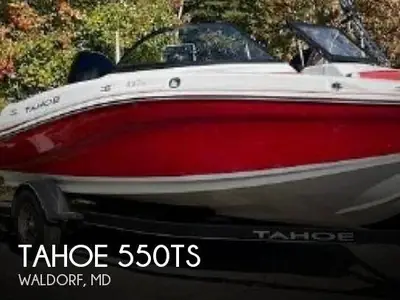 Tahoe 550 TS
 -
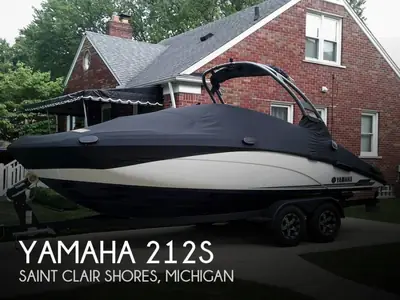 Yamaha 212 Limited S
 -
 Supra Legacy
 -
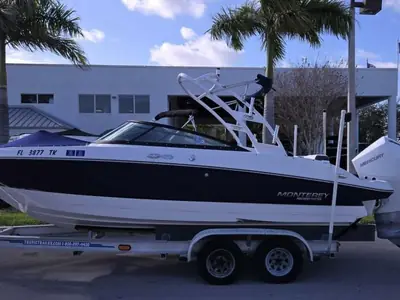 Monterey M-225
 -
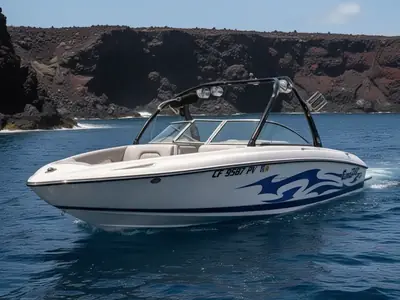 Centurion ENZO SV240
 -
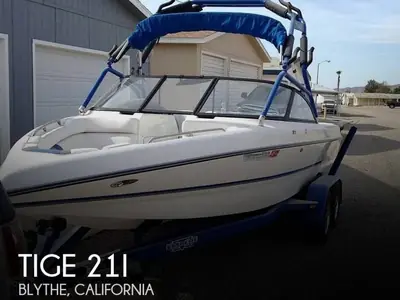 Tige' 21I
 -
 Correct Craft SKI NAUTIQUE
Join the beta, and Scout watches every site for you.
Gated sites included, in your own session — with what each boat is worth, how long she has been for sale, and the reading behind each one. The beta opens by invitation; the Discord is where it is discussed.
✍︎ Drafted with AI, directed and reviewed by a sailor — our editorial disclaimer.
Keep reading
- niche Cabin cruisers under $50k
- scout preview How much center console does $100k buy? — a Scout study
- model Neel 51
- designer Quorning Boats
- designer Carver Yachts